
Nautical Science Programs Offered at the University of Southern California
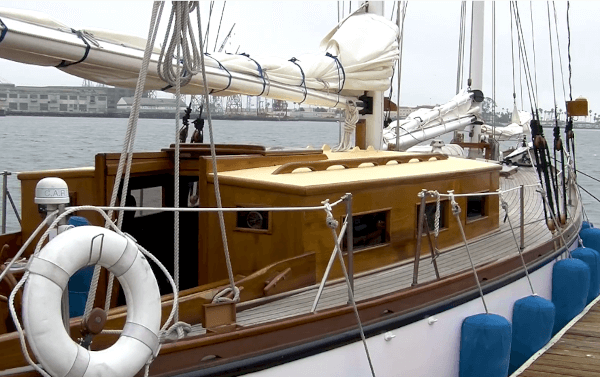
The Nautical Science Program at the University of Southern California (USC) offers a comprehensive blend of academic learning and hands-on experience in navigation and seafaring aboard sailing vessels. The curriculum and at-sea voyages cover a broad range of marine disciplines, including advanced navigation, marine electronics, sailing theory and practice, sail aerodynamics, hull hydrodynamics, and applicable admiralty law related to piloting. For students pursuing a professional career,The Nautical Science Program is certificated by the United States Coast Guard for license track students pursuing a Merchant Mariners Captain's or Masters Credential.
I must go down to the seas again
To the lonely sea and the sky
And all I ask is a tall ship
And a star to steer her by…
- John Masefield
The Nautical Science Program at USC
The grandeur of a bygone era - the age of sail - comes alive at USC’s Nautical Science Program. The breathtaking spectacle of a tall ship under full sail draws many to experience firsthand the timeless allure often called the Romance of the Sea. Whether your passion lies with nimble dinghies, elegant brigantines, or something in between, the foundational principles of seamanship are taught both in the classroom and aboard ship.
The Atlantas
- Completed: 1969
- LOA: 52′ 0″
- Beam: 11′ 6″
- Draft: 6′ 6″
- Displacement: 28,000 lbs.
- Total Sail Area: 1,400 sq. ft.
Filled with excitement - and perhaps a touch of nervous anticipation - students arrive at the marina on the day of their voyage. Some will set sail aboard the Atlantas, a traditional wooden schooner whose timeless beauty evokes the elegance of a more gracious age. Her polished wood and classic lines whisper stories of the past to those willing to listen.
Blending historic charm with modern technology, the Atlantas is often regarded as the perfect vessel. Her teak decks inspire loyalty, drawing many students to explore her rigging and sails. Others sail aboard the Artemis, a sleek fiberglass yacht that cuts effortlessly through the waves. Its contemporary style and comfort create a serene atmosphere where the mysteries of the deep seem within reach. As clouds drift overhead and sunlight filters through the rigging, a unique peace settles over the deck - an experience unlike any other.
The Sail Experience
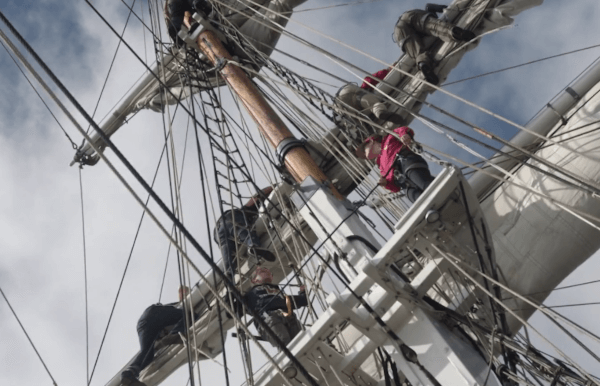
Aboard these vessels, teamwork is paramount. Bonds of friendship and camaraderie quickly form as students navigate the complexities of life at sea. New sailors learn to respect the vast power of nature. Whether basking in the glow of a tangerine sunset or enveloped by mist over Avalon’s shores, the sea offers moments of awe and wonder that leave a lasting impression - even on the most hardened hearts.
The Training
A significant focus of the program is mastering navigation. Rather than relying solely on electronic instruments, students are required to use traditional paper charts to plot positions and courses. While initially challenging, this hands-on practice fosters teamwork and confidence. Some students adapt quickly to visual navigation, while others find it more demanding - but all receive guidance from experienced skippers.
Onboard, students also develop sail handling and helmsmanship skills. Learning to identify and correctly manage running rigging, they take pride in setting, trimming, and dousing sails. Each student takes turns at the helm, steering courses they have carefully charted and putting their navigation skills to the test.
Sailing demands effort, but it also rewards - there’s no finer feeling than a well-set sail, a stiff breeze, and the water gliding beneath the keel, allowing time for both work and relaxation.

Occasionally, local marine life makes a friendly appearance, adding to the wonder of the voyage. Using the skills gained aboard keelboats, students progress to sailing small boats themselves - rigging, launching, and maneuvering dinghies. These hands-on experiences sharpen their seamanship and bring an immediate understanding of how sail trim and rudder adjustments affect a vessel.
Learning the “Rules of the Road” on the water becomes urgent and practical, and mastering man-overboard and capsize recovery skills is essential - not just exercises but real-world necessities. With practice, students gain confidence and many achieve certification as small boat sailors.
Senior Skippers
Those captivated by the sea’s call often become senior skippers - first or second mates who pass their knowledge on to new sailors. Senior skipper classes include practical exercises in docking and anchoring aboard the Artemis, whose sturdy design tolerates the inevitable mistakes that come with learning.
The program’s seminar-style senior skipper classes allow students to choose specialized topics such as marine diesel engines, safety, marine weather, or other areas of interest. Over time, these students develop a keen eye for detail - anything amiss on deck would quickly draw the ire or teasing of their peers. By this stage, they understand that a good sense of humor is as vital as skill.
Senior skippers sleep in the Atlantas’ quarter berths, where they quickly master the art of climbing in and out without a mishap - though trial and error is part of the learning, just like many aspects of sailing.
The Crew Behind the Program
Keeping the program sailing smoothly is a dedicated group of experienced skippers led by the program director. Their deep knowledge and steady presence create a welcoming and reassuring atmosphere for all aboard.
Sailing’s unpredictable nature means anything can - and often does - happen. These seasoned mariners stand ready for whatever challenges the sea or the students present.
If you have ever heard the call of the ocean, USC’s nautical science program is ready to help you answer.
To read more about USC and its programs please visit our USC section here.