
Graduate Education and Research Programs in Ocean Engineering at UNH Durham

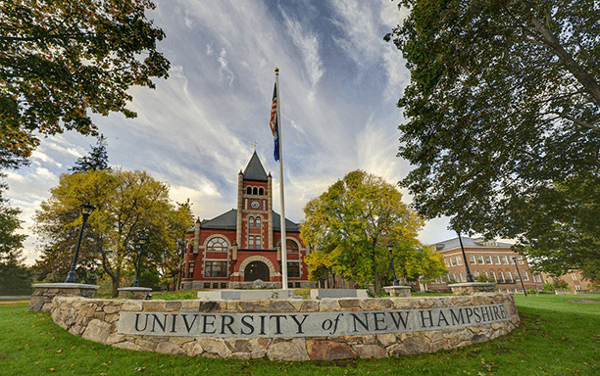
Founded in 1866 The University of New Hampshire (UNH) is a public research university with campuses across New Hampshire in Durham, Manchester, and Concord and is part of the University System of New Hampshire. 200 degree programs offered through 11 schools and colleges on three campuses. The university is one of only nine land, sea and space grant institutions in the nation.
With over 15,000 students between its Durham, Manchester, and Concord campuses, UNH is the largest university in the state. The university's Durham campus, comprising six colleges, is located in the Seacoast region of the state.
The School of Marine Science and Ocean Engineering is the University of New Hampshire’s first interdisciplinary school, designed to address today’s highly complex ocean and coastal challenges through integrated graduate education, research and engagement.
As such, it serves as an interdisciplinary nexus for marine science and ocean engineering teaching and research across the University.
Academic Programs
Graduate Programs
- MS in Ocean Engineering: Programs in Ocean Engineering are by definition interdisciplinary and require students to interact with the ocean science community as well as the traditional engineering disciplines. In this context, students are exposed to the broad-based issues of working engineering problems in the ocean environment.
- MS in Ocean Engineering - Ocean Mapping: The Master of Science in ocean engineering option in ocean mapping incorporates all aspects of hydrography as required by the International Hydrographic Organization (IHO) and is approved by the IHO. Focus is on the engineering aspects of hydrography. The general purpose of these programs is to prepare engineering students for professional careers in ocean-related fields.
- PhD in Ocean Engineering: Students admitted to this Ph.D. program come from traditional engineering degree programs including physics, mathematics, computer science, and in some cases, marine science programs. Those entering the Ph.D. program with a BS degree from an engineering program should be prepared to begin the Ph.D. program directly. Those coming from a BS in physics, mathematics, or computer science will have their transcripts more carefully reviewed on an individual basis, as additional courses may be required. Students must take at least 12 courses (excluding dissertation research) beyond those required for a BS degree. These include one course in oceanography or ocean science, three core courses in ocean engineering, two courses in advanced OE topics, two math courses and four electives.
LAST UPDATED ON Jun 3, 2019